
La robotica per il futuro degli spazi antropici
-
Table of Contents
Robotics for the Future of Anthropogenic Spaces
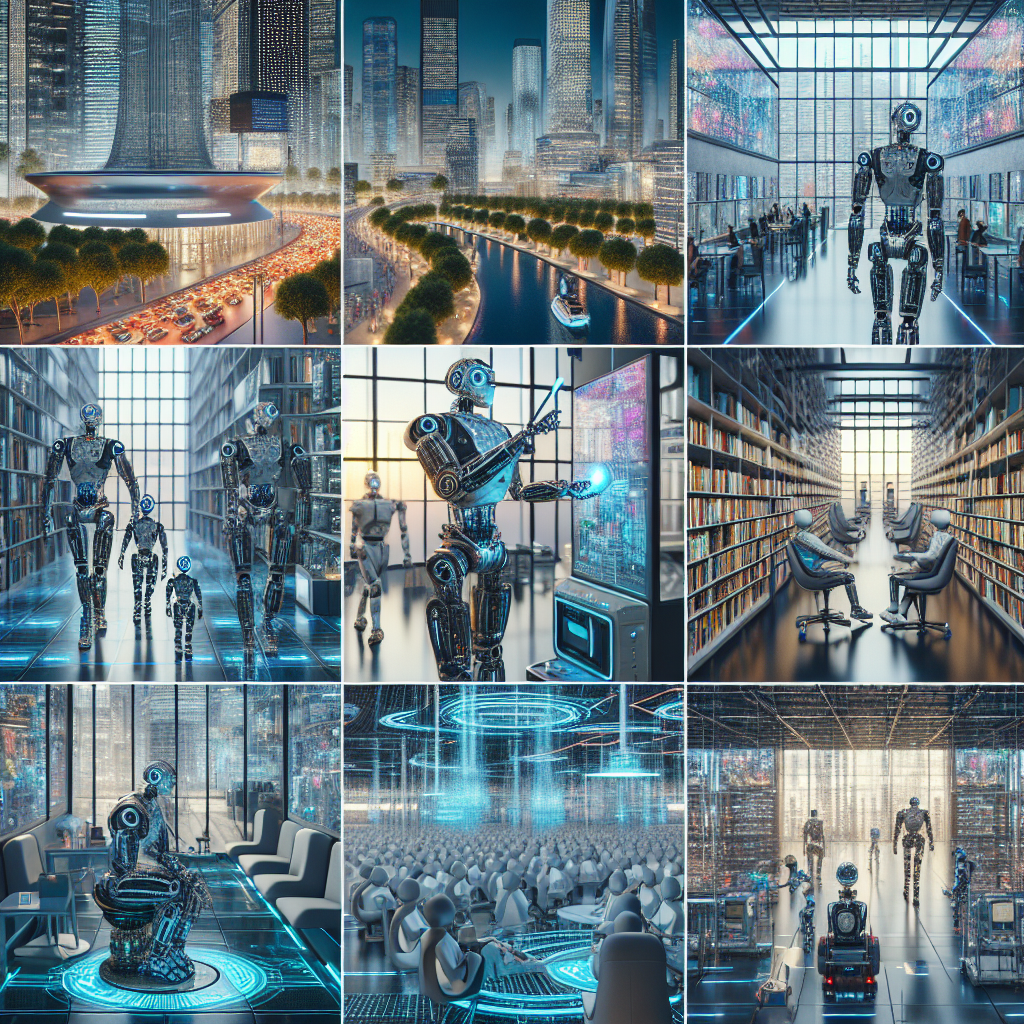
As we move deeper into the 21st century, the integration of robotics into our daily lives is becoming increasingly prevalent. From manufacturing to healthcare, robotics is reshaping how we interact with our environments. This article explores the role of robotics in enhancing anthropogenic spaces—areas heavily influenced by human activity—and how these technologies can lead to more efficient, sustainable, and livable environments.
The Rise of Robotics in Urban Environments
Urban areas are the epicenters of human activity, housing over half of the world’s population. As cities grow, so do the challenges associated with urban living, including traffic congestion, pollution, and resource management. Robotics offers innovative solutions to these pressing issues.
Smart Infrastructure
Robots are increasingly being integrated into urban infrastructure to improve efficiency and sustainability. Examples include:
- Autonomous Delivery Drones: Companies like Amazon and Google are testing drones for package delivery, reducing traffic congestion and carbon emissions.
- Robotic Street Cleaners: Cities like San Francisco have deployed robotic street cleaners that operate at night, ensuring cleaner streets without disrupting daytime activities.
- Smart Waste Management: Robots equipped with AI can optimize waste collection routes, reducing fuel consumption and improving recycling rates.
Case Study: Singapore’s Smart Nation Initiative
Singapore is a leading example of how robotics can transform urban living. The Smart Nation initiative aims to harness technology to improve the quality of life for its citizens. Key components include:
- Autonomous Vehicles: The city-state is testing self-driving buses and taxis to reduce traffic and enhance public transport.
- Robotic Assistants: Robots are being used in public spaces to provide information and assistance to residents and tourists.
- Data-Driven Urban Planning: Robotics and AI are used to analyze urban data, helping planners make informed decisions about infrastructure development.
Robotics in Sustainable Development
As the world grapples with climate change and resource depletion, robotics can play a crucial role in promoting sustainability. Here are some ways robotics is contributing to sustainable development:
Precision Agriculture
Robots are revolutionizing agriculture by enabling precision farming techniques that optimize resource use. For instance:
- Automated Tractors: These machines can plant, water, and harvest crops with minimal human intervention, reducing labor costs and increasing efficiency.
- Drones for Crop Monitoring: Drones equipped with sensors can monitor crop health, allowing farmers to apply fertilizers and pesticides more effectively.
Energy Management
Robotics also plays a vital role in energy management, particularly in renewable energy sectors:
- Solar Panel Maintenance Robots: Robots can clean and maintain solar panels, ensuring they operate at peak efficiency.
- Wind Turbine Inspection Drones: Drones can inspect wind turbines for damage, reducing downtime and maintenance costs.
The Future of Robotics in Anthropogenic Spaces
The future of robotics in anthropogenic spaces is promising, with advancements in AI, machine learning, and sensor technology paving the way for more sophisticated applications. However, several challenges remain:
- Ethical Considerations: The deployment of robots raises questions about job displacement and privacy.
- Regulatory Frameworks: Governments need to establish regulations that ensure the safe and responsible use of robotics.
- Public Acceptance: Gaining public trust in robotic technologies is crucial for widespread adoption.
Conclusion
Robotics is set to play a transformative role in the future of anthropogenic spaces, offering solutions to some of the most pressing challenges of urban living and sustainable development. From smart infrastructure to precision agriculture, the potential applications are vast and varied. As we embrace these technologies, it is essential to address the ethical and regulatory challenges they present to ensure a future where robotics enhances our quality of life while promoting sustainability. The journey towards a robotic future is not just about technology; it is about creating a better world for all.
– Design Valley – www.designvalley.it